Nanobubble applications and use cases
Where nanobubble generators fit in water treatment, where we have run pilots, and the strongest measured result from each.
Choose a use case
Pick the problem closest to yours.
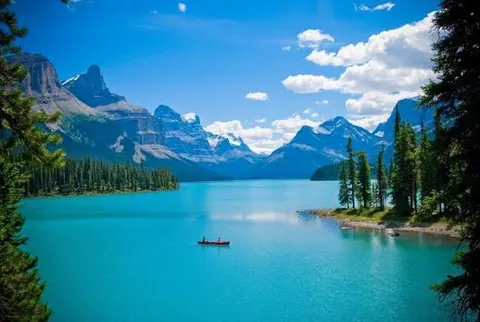
Lake rejuvenation
See the lake use case →The problem. Lakes and ponds that receive sewage and run-off lose dissolved oxygen, grow algae and build up sludge.
What we have measured. At Nagar Bhavan Lake, Mira Bhayandar, MBMC certified BOD down 53%, COD down 65%, TSS down 53% and a 100% increase in dissolved oxygen after our pilot, which combined NanOxy-10 units with bioremediation. Read the Nagar Bhavan Lake case study.
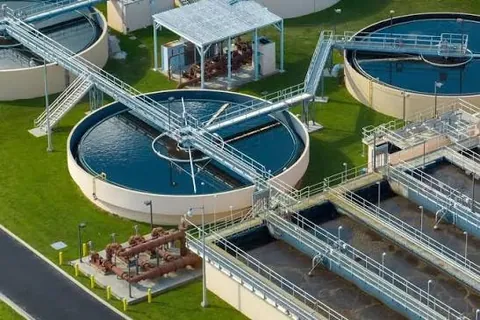
Wastewater treatment
The problem. Aeration tanks at sewage and effluent plants that cannot hold dissolved oxygen, or that need more polishing before discharge.
What we have measured. In a bench trial on raw sewage from the 180 MLD Pirana STP, oxygen nanobubbles brought COD from 145.88 to 20.84 mg/L and BOD from 72 to 8 mg/L in 60 minutes, on one sample at bench scale. Read the Pirana case study or the Freudenberg ETP case study.
Guides: ETP and STP upgrade · Nanobubbles for ETP
See the wastewater use case →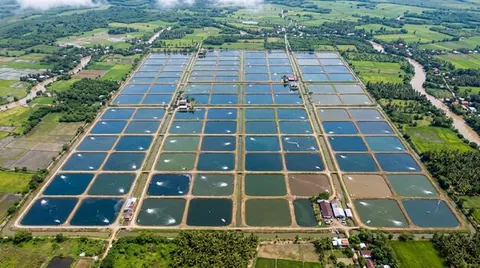
Aquaculture
See the aquaculture use case →The problem. Dissolved oxygen falls at night and after feeding, and ammonia builds up as stocking rises.
What we have measured. In the Tengra tank trial at Hajo, Assam, day-100 morning dissolved oxygen was 8.2 and 7.8 mg/L in the nanobubble tanks against 6.0 mg/L in the control. Read the Tengra case study.
Hydroponics
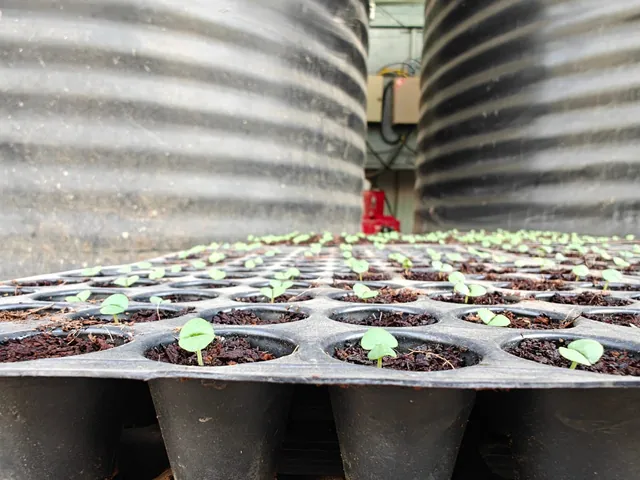
See the hydroponics use case →The problem. Germination and early seedling growth depend on oxygen at the root zone, and warm water holds less of it.
What we have measured. At Rucon Hydroponics, germination averaged 80.25% on nanobubble water against 69.75% on regular water across four crops. Read the Rucon case study.
Turf and stadiums
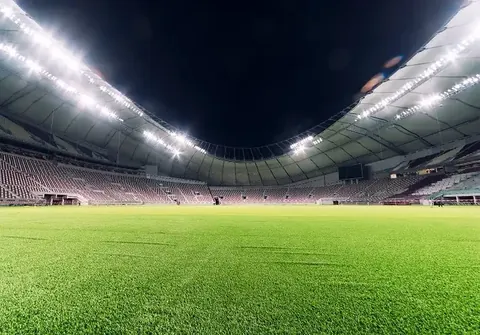
See the turf use case →The problem. Hard, high-TDS or ammonia-laden irrigation water can stress sports turf.
What we have measured. At Wankhede Stadium, over a 33-day pilot, irrigation water TDS fell from 750 to 550 mg/L and ammonia from 1.5 to below 0.5 mg/L. Read the Wankhede case study.
Cooling tower water treatment
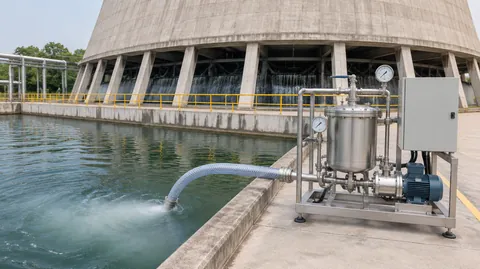
See the cooling tower use case →The problem. Cooling towers evaporate clean water and leave the salts behind, so scale, biofilm and a harder-working chiller follow.
What we have measured. We have not run this use case on a plant yet. We offer a pilot.
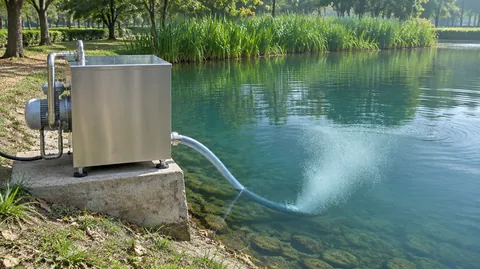
Pond cleaning
See the pond cleaning use case →The problem. A pond that turns green, smells in summer or loses fish is short of oxygen at the bottom and carrying too many nutrients.
What we have measured. Our Rao Talao pond project in Mira Bhayandar is ongoing, and its laboratory results to date are published. Read the Rao Talao case study.
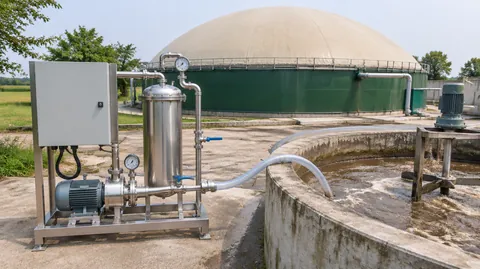
Biogas and CBG plants
See the CBG use case →The problem. Many CBG plants make less gas than the design said, and the owner wants to know why without building a new digester.
What we have measured. We have not run this use case on a plant yet. We offer a pilot.
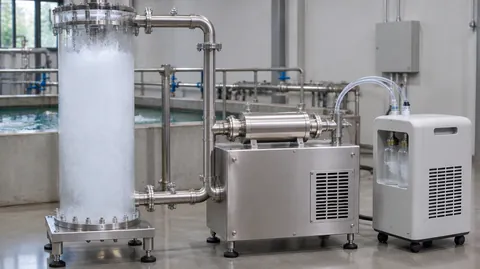
Ozone water treatment
See the ozone use case →The problem. Ozone is one of the strongest oxidants used on water, but it disappears quickly, so how it is dosed and delivered matters.
What we have measured. In a bench trial on raw sewage, ozone nanobubbles brought E. coli from above 1,600 to below 2 MPN/100 mL, on one sample at bench scale. Read the Pirana case study.
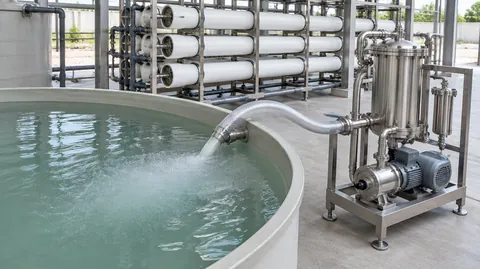
RO membrane fouling
See the RO fouling use case →The problem. RO membranes foul slowly: flow slips, the pressure drop creeps up and cleaning comes round sooner each time.
What we have measured. We have not run this use case on a plant yet. We offer a pilot.
How a project runs
Every application starts the same way. We assess the water and the site, agree what to measure, run a pilot on part of the system, and only then size a full installation. Results depend on the site, so we agree targets after the water assessment.
Not sure where you fit?
Most enquiries start with a symptom: a lake that smells in summer, an aeration tank that cannot keep dissolved oxygen up, a pond that crashes at night, or turf water that is too hard. Describe it to an engineer and we will tell you whether a pilot is worth running. We will say so if it is not.
Tell us about your water body or plant
We agree targets after a water assessment, then run a pilot before any scale-up.