Nanobubble technology for cleaner lakes, plants and ponds in India
Avior Aqua builds oxygen, ozone and air nanobubble generators for existing water bodies and treatment plants, with little civil work. We publish our pilot data, including its limits.
Nanobubble case studies
LakesOngoing
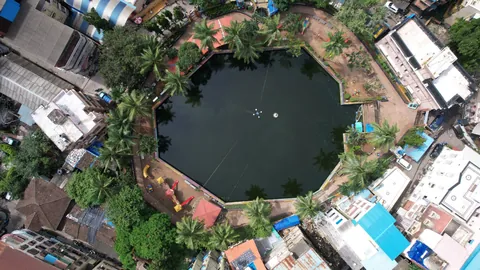
Rao Talao, Mira Bhayandar
6,000 m³ urban pond - turbidity 94 to 1.0 NTU
Lake rejuvenation, ongoing · Results as of November 2026
Read the case study →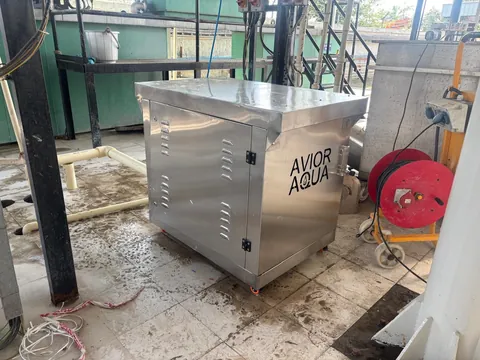
WastewaterInstalled
Industrial ETP, Freudenberg NOK, Morinda
Sludge down 23.3%, coagulant down 22.8% and energy use down 26.9% in October 2026, the first full month after installation.
Industrial effluent (ETP) · Installed September 2026
Read the case study →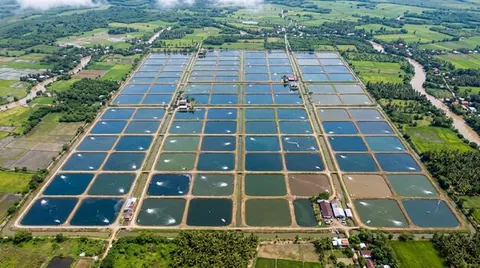
AquacultureTrial
Open-pond carp pilot, Nadipar, Assam
Dissolved oxygen 3.5 to 7.6 mg/L and pond biomass about 3.5 times over 100 days. No control pond.
Aquaculture, pond pilot · 6 April to 10 July 2026 (reported as a 100-day cycle; closing water readings on day 90)
Read the case study →
Bubbles you cannot see, doing work you can measure
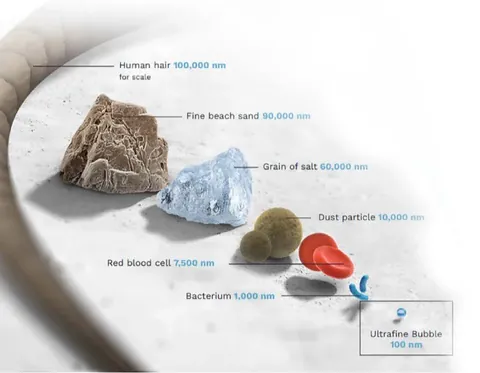
A nanobubble is a gas bubble under 200 nanometres across. Ordinary aeration bubbles rise and burst within seconds. Nanobubbles carry a negative surface charge and stay suspended, which gives the gas far longer to dissolve.
- Under 200 nm. Thousands of times smaller than a fine-bubble diffuser bubble.
- Higher gas transfer. More surface area and longer residence time mean more gas reaches the water.
- Oxygen, ozone and air nanobubble generators. One platform, three gas feeds, chosen to suit the treatment goal.
Use cases
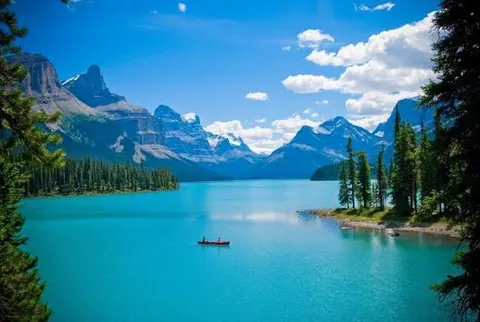
Lake rejuvenation
Lakes and ponds that receive sewage and run-off lose dissolved oxygen, grow algae and build up sludge.
See the lake use case →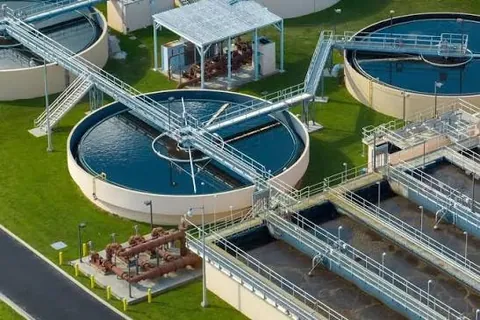
Wastewater treatment
Aeration tanks at sewage and effluent plants that cannot hold dissolved oxygen, or that need more polishing before discharge.
Guides: ETP and STP upgrade · Nanobubbles for ETP
See the wastewater use case →Aquaculture
Dissolved oxygen falls at night and after feeding, and ammonia builds up as stocking rises.
See the aquaculture use case →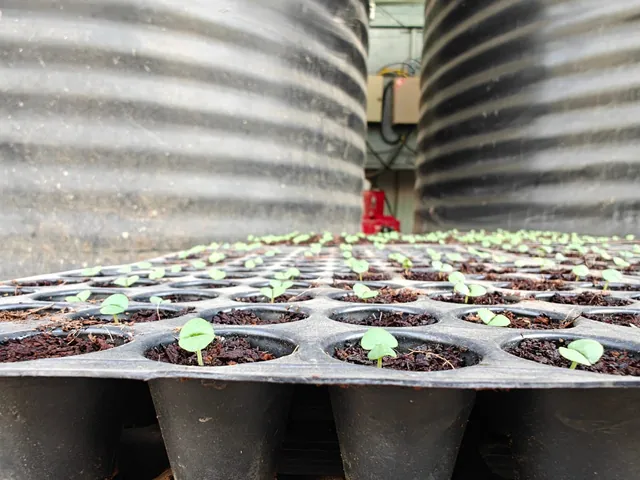
Hydroponics
Germination and early seedling growth depend on oxygen at the root zone, and warm water holds less of it.
See the hydroponics use case →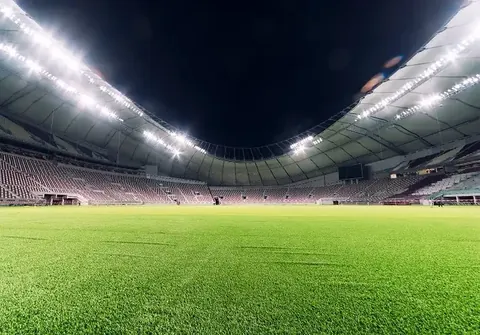
Turf and stadiums
Hard, high-TDS or ammonia-laden irrigation water can stress sports turf.
See the turf use case →
Three gas feeds, one platform
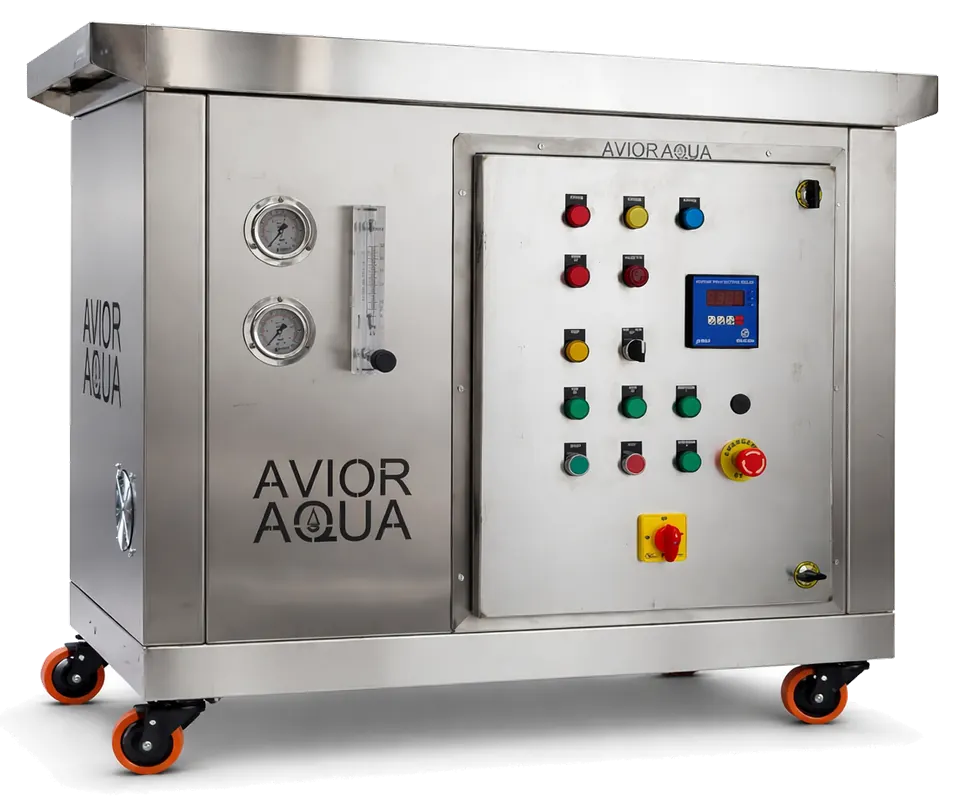
Compact stainless-steel units on castors, or floating frames for lakes. Specification tables for NanOxy and NanoAer are on their pages.
NanOxy
Oxygen-fed. For high dissolved-oxygen duty in lakes, aeration tanks and irrigation water.
NanOxy specifications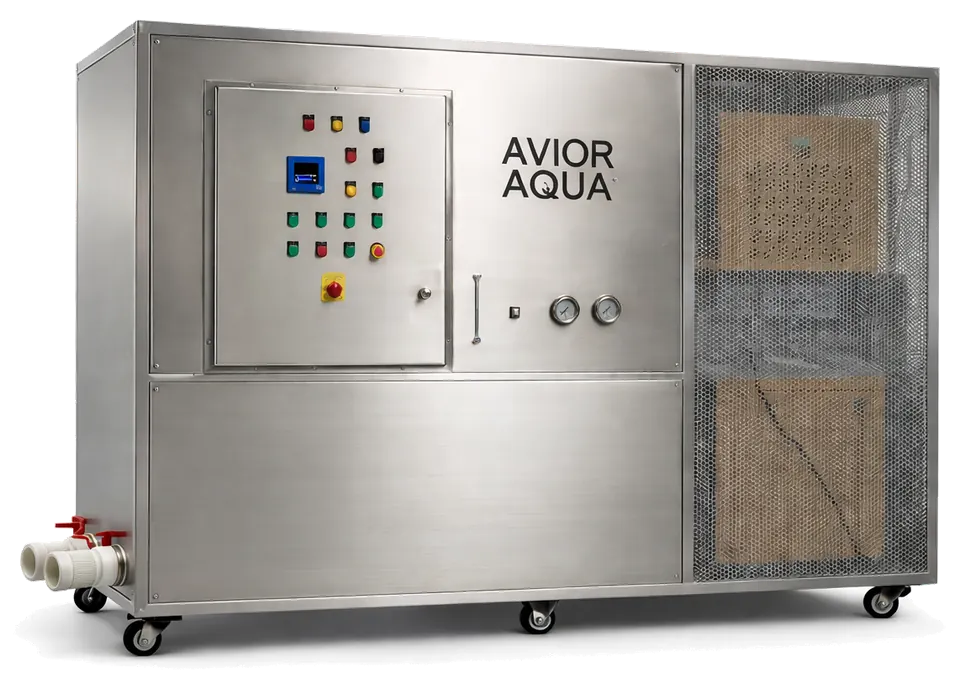
NanOzone
Ozone-fed. An optional add-on to NanOxy for disinfection and oxidation, sized to each site.
About NanOzone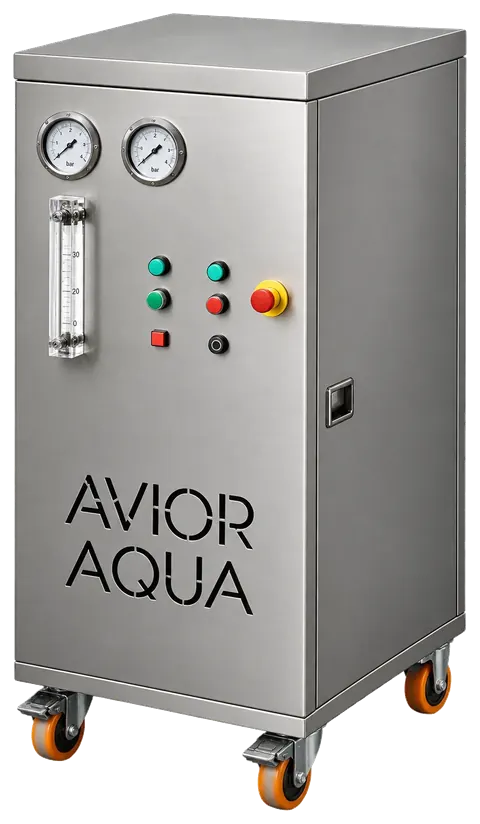
NanoAer
Air-fed. Low-cost aeration for ponds, tanks and general oxygen support.
NanoAer specificationsGrants and awards

AMRUT 2.0 Pitch-Pilot-Scale challenge
One of the winners. Awarded grant funding for pilot-to-scale lake remediation with nanobubble technology.

Maharashtra Startup Week 2025 (MSInS)
One of the winners. Awarded grant funding.

Akamai Waterpreneur Studios
One of the grant recipients.
In the press
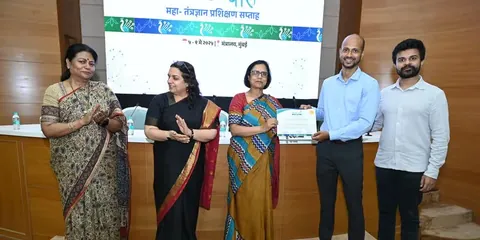
How Avior Aqua is revolutionising wastewater treatment
Read the article
Interview with founder Sushant Das
Read the article
Clients and partners

Mira Bhayandar Municipal Corporation
Lake projects

Ahmedabad Municipal Corporation
Sewage treatment trial

Mumbai Cricket Association
Turf irrigation water

Willingdon Golf Club
Pond and turf management

Freudenberg NOK, Morinda
Industrial effluent treatment upgrade
Rucon Hydroponics
Seedling and microgreens trials

Elmentoz Research

AM Ozonics

Administrative Staff College of India

India Sanitation Coalition
Maharashtra State Innovation Society (MSInS)
AMRUT 2.0

Villgro
Akamai
Frequently asked questions
Short answers. The detail is on each page.
What is nanobubble technology?
Nanobubble technology puts gas into water as bubbles smaller than 200 nanometres. They stay suspended far longer than ordinary bubbles, so more of the gas dissolves into the water. Read the full explainer.
Which water problems can a nanobubble generator help with?
Low dissolved oxygen, high organic load (BOD and COD) and suspended solids in lakes, sewage and effluent plants, fish ponds and irrigation water. Results depend on the site, so we agree targets after a water assessment.
Do I need to rebuild my plant or pond?
No major civil work is usually needed. Our units run as a side-stream beside an existing tank, pond or lake, or are plumbed into a process tank.
What have you measured so far?
At Nagar Bhavan Lake, Mira Bhayandar, MBMC certified BOD down 53%, COD down 65% and TSS down 53% after our pilot with bioremediation. At an industrial effluent plant in Punjab, Freudenberg NOK reports sludge down 23.3% and energy use down 26.9% in the first full month. We have also published data from a sewage bench trial, a stadium turf pilot, two aquaculture pilots and a hydroponics trial, each with its limitations. Our lake project at Rao Talao is ongoing, and its laboratory results to date are published. See the case studies.
Can I buy a nanobubble generator without a pilot?
Yes, but we recommend a pilot first, because results depend on your water. See our products.
How do I get started?
Send us your site details through the contact form or call +91 96197 06655. An engineer will reply within one working day.
Tell us about your water body or plant
We agree targets after a water assessment, then run a pilot before any scale-up.