
Nanobubble generator range: NanOxy, NanOzone and NanoAer
Compact stainless-steel oxygen, ozone and air nanobubble generators. Choose the gas for your treatment goal, then the size for your water flow.
The range
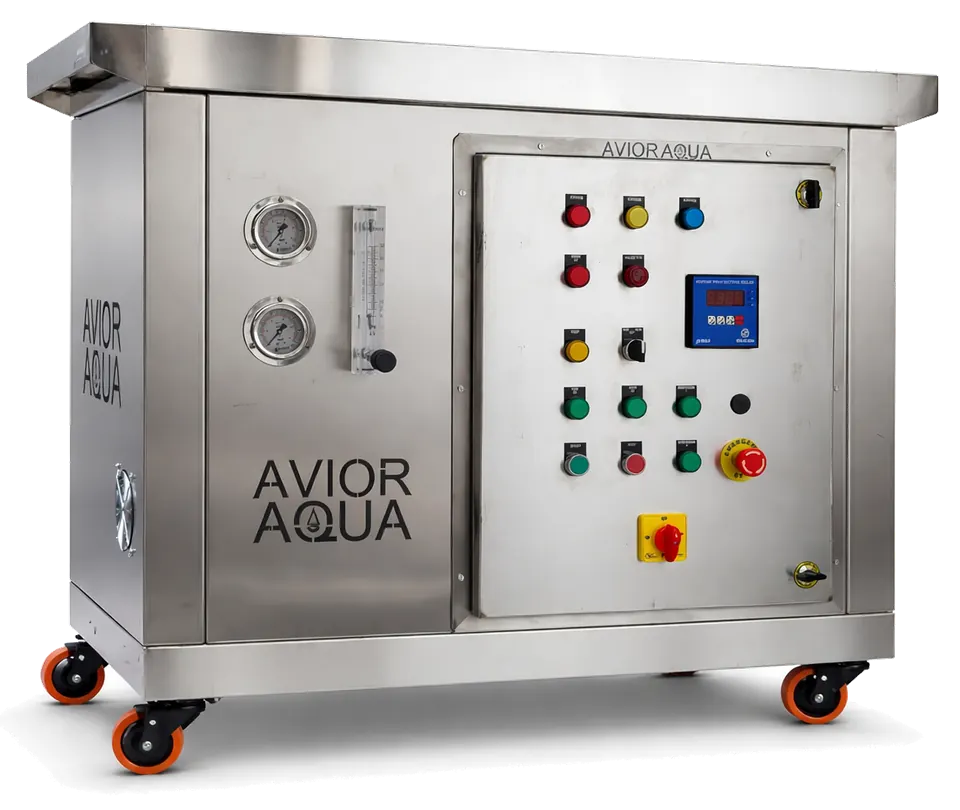
NanOxy
Oxygen-fed, in four sizes from 5 to 50 LPM of rated gas flow and 7 to 85 m³/hr of water flow.
NanOxy specifications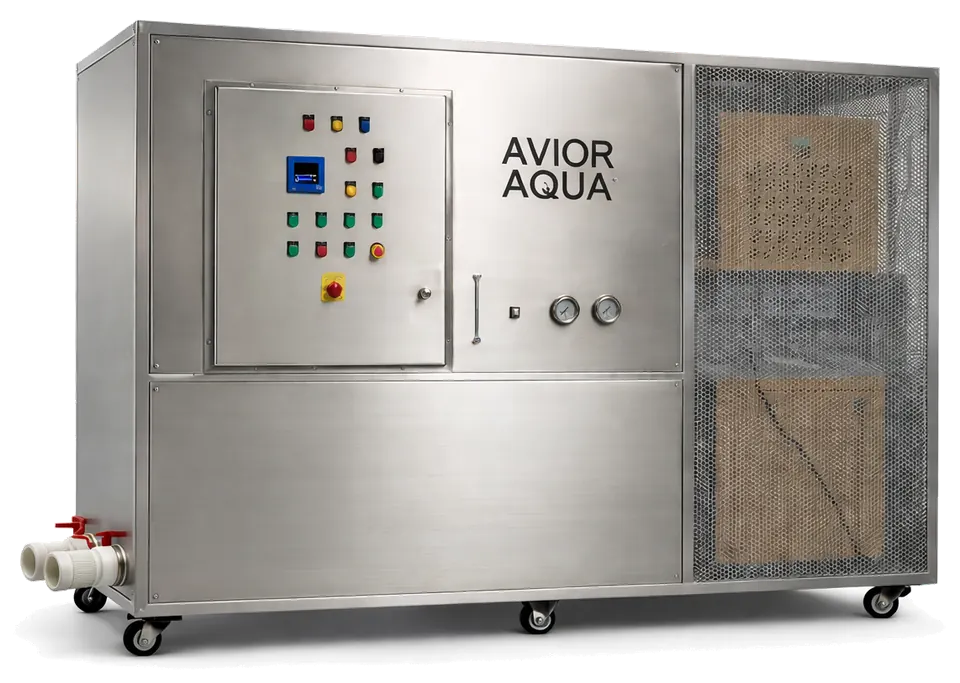
NanOzone
Ozone-fed, for disinfection and oxidation. It is an optional add-on to a NanOxy installation, with capacity engineered to each site's ozone-dosing requirement. We share specifications with your proposal rather than publish a fixed table.
Ask about NanOzone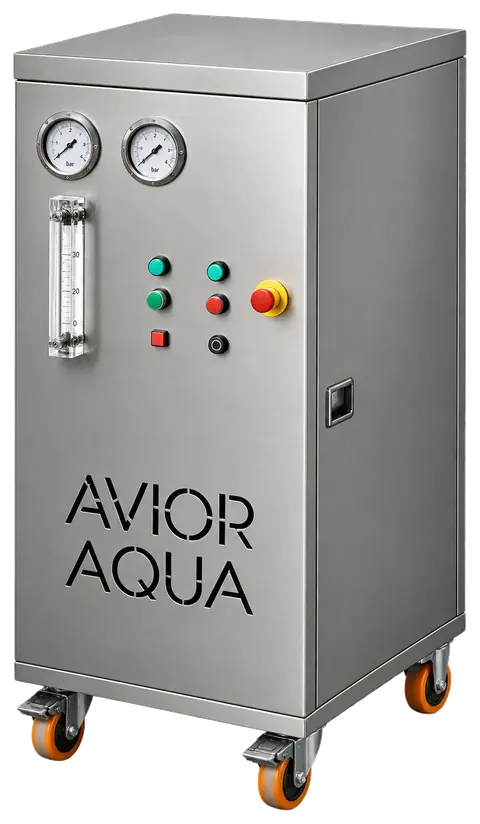
NanoAer
Air-fed, in four sizes from 5 to 50 LPM, drawing 1 to 7.7 kW. Used in our Assam aquaculture pilots.
NanoAer specificationsChoosing a model
Start with the treatment goal, because it fixes the gas. Then size the unit to the water flow you need to move through it.
| Gas feed | Model | Typical use | What to know |
|---|---|---|---|
| Oxygen | NanOxy | High dissolved-oxygen duty: lakes, aeration and EQ tanks, MBBR support, turf irrigation water | Needs an oxygen supply with purity above 93% |
| Air | NanoAer | Ponds, fish tanks and general oxygen support where ambient air is enough | Lowest running cost of the three; lower DO ceiling than oxygen |
| Ozone | NanOzone | Disinfection and oxidation: pathogen reduction, algal control, pools | An optional add-on to a NanOxy installation, sized to the ozone dose each site needs |
Sizing
Models are named for rated gas flow in litres per minute (LPM). Water flow rises with the model: 7 m³/hr for the 5 LPM unit up to 85 m³/hr for the 50 LPM unit. Single-phase 220 V units cover the smaller sizes and three-phase 440 V units the larger ones. For a large lake or plant we use several units, as in our Assam pond pilot.
Deployment models
- Side-stream retrofit: the nanobubble generator sits on a recirculation loop beside an existing pond, tank, lake or pool.
- In-line: plumbed into an equalisation tank, MBBR or aeration basin as part of a plant.
- Mobile skid: moved between sites for pilots or multi-site programmes.
What drives price in India
We quote each project, because these factors move the price:
- Gas feed and supply. Oxygen needs a concentrator or cylinders. Ozone needs an ozone nanobubble generator. Air needs neither.
- Capacity. Water flow and the oxygen demand of the water body or process decide the model and the number of units.
- Electrical supply. Single-phase or three-phase, and the cable run to the unit.
- Water quality. High-solids water means more frequent cleaning and may change the design.
- Mounting. Skid, floating frame or fixed plumbing.
- Pilot and monitoring. Sampling schedule, laboratory testing and reporting.
To get a quote, tell us your application, flow and site.
Which model for which job
- Lakes and ponds: NanOxy, to raise dissolved oxygen. See lake rejuvenation.
- Sewage and effluent plants: NanOxy, with an optional NanOzone where disinfection is needed. See wastewater treatment.
- Fish ponds and tanks: NanoAer, which runs on ambient air. See aquaculture.
- Turf irrigation water: NanOxy. See turf and stadiums.
Every unit comes as a stainless-steel skid on castors, or on a floating frame for lakes, so it can move between tanks, ponds or sites during a pilot. Full specification tables for NanOxy and NanoAer are on their own pages. If your site does not fit any of these, describe it to an engineer and we will say honestly whether a pilot is worth running.
Nanobubble generator FAQ
How much does a nanobubble generator cost in India?
It depends on the model, gas source and site, so we quote per project. The factors that set price are listed on this page. We agree targets after a water assessment, then quote.
Which gas should I choose: air, oxygen or ozone?
Choose air for ponds and general oxygen support, oxygen where you need high dissolved oxygen, and ozone for disinfection or oxidation. Some projects add an optional NanOzone unit to a NanOxy.
How much power does a nanobubble generator draw?
NanOxy units draw 1.8 to 10 kW and NanoAer units 1 to 7.7 kW, depending on size. Single-phase 220 V for the 5 and 10 LPM models and three-phase 440 V for the 30 and 50 LPM models.
What maintenance do the units need?
In clean water, routine checks. In high-solids water such as raw sewage, our standard protocol includes weekly cleaning to keep rated performance.
Can a nanobubble generator treat raw sewage?
Our Pirana trial used screened and settled raw sewage in 60-minute batches at bench scale. Plant-scale results need an on-site pilot, which we would plan with you.
Do you offer a brochure or datasheet?
Specification sheets are shared with each proposal. Ask for one and tell us your application.
Not sure which model fits?
Share your water flow and goal. An engineer will recommend a gas feed and size.