
Nanobubble blog
Technical articles and use-case guides from the Avior Aqua team. Our articles are written from our own pilot data, link to the case studies behind their numbers and say where the evidence is weak. Our guides explain a water problem, the usual fixes and where nanobubbles fit, with sources. Both are written for engineers and municipal officers deciding whether to run a pilot.
Latest articles
5 articles and 5 guides, newest first.
Featured · Wastewater
How to reduce sludge in an ETP
Why ETPs make too much sludge and eight ways to cut it, from jar tests and dewatering to oxygen in the biological stage.
Reviewed 18 Nov 2026
Read the article →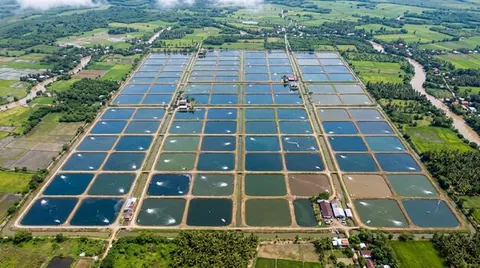
Featured · Aquaculture
Dissolved oxygen in biofloc and RAS: targets, night-time drops and monitoring
Dissolved oxygen targets for biofloc and RAS, why oxygen drops at night and after feeding, and how to monitor it before it becomes a crisis.
Reviewed 15 Nov 2026
Read the article →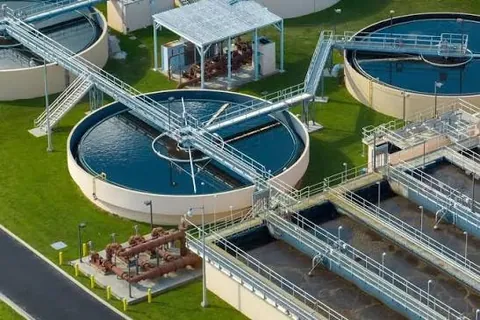
Featured · Wastewater
Aeration in sewage treatment plants: diffusers, surface aerators and nanobubbles
What aeration does in an STP, how diffusers, surface aerators and nanobubbles compare, and what to check before an upgrade.
Reviewed 18 Nov 2026
Read the article →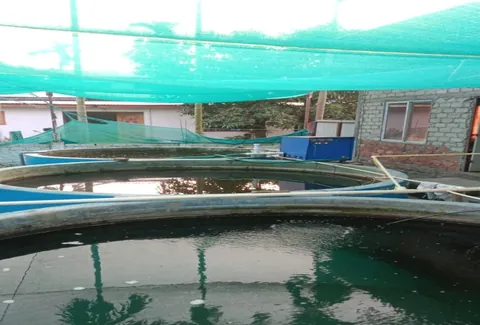
Featured · Evidence
Do nanobubbles really work? What our pilots show
An honest read of four pilots: what moved, what confounded it and what would convince a sceptic.
Reviewed 15 Nov 2026
Read the article →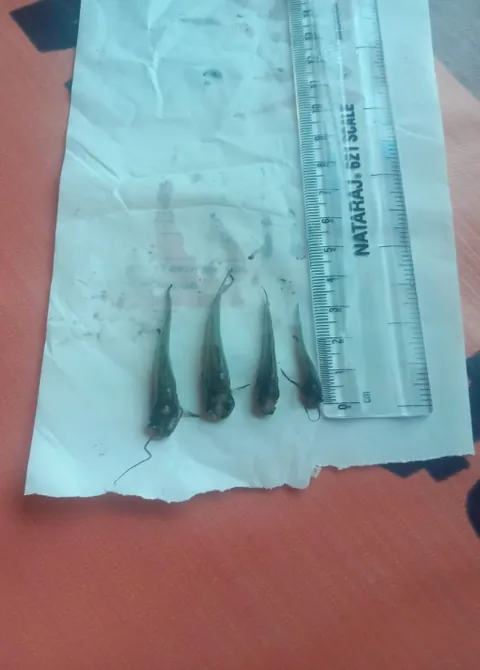
Featured · Aquaculture
Nanobubbles in aquaculture: what two Assam pilots show
Dissolved oxygen, ammonia, survival and growth from a tank trial and a pond pilot, and how we would design the next trial.
Reviewed 25 Oct 2026
Read the article →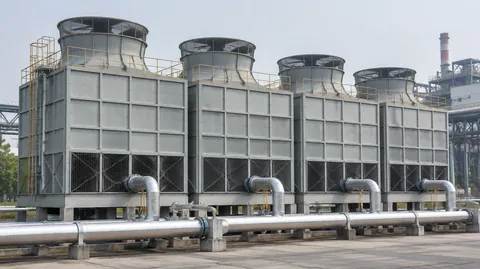
Featured · Guide
Cooling tower water treatment: scale, biofilm and blowdown
A cooling tower is a water concentrator that happens to cool. Every hour it evaporates clean water and leaves the salts behind, while warm, wet fill and basins invite slime and bacteria. Left alone, the result is scale on the condenser, biofilm in the pipework and a chiller that works harder every month. This page explains how cooling water goes wrong, how plants keep it in control, and where nanobubbles may fit.
Reviewed 19 Nov 2026
Read the guide →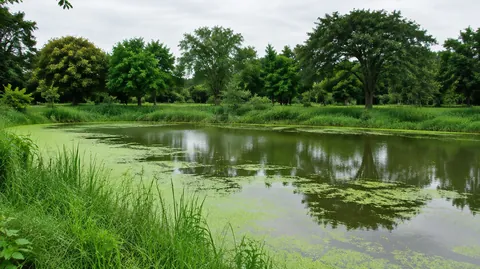
Featured · Guide
Pond cleaning: how to clear algae and keep the water clean
A pond that turns green, smells in summer or loses fish is not short of cleaning. It is short of oxygen at the bottom and carrying too many nutrients. Scooping out weed and dosing algaecide make it look better for a few weeks; the nutrients and the sludge stay, and the bloom comes back. This page explains why ponds go bad, what each common method fixes, and what keeps a pond clean for longer.
Reviewed 19 Nov 2026
Read the guide →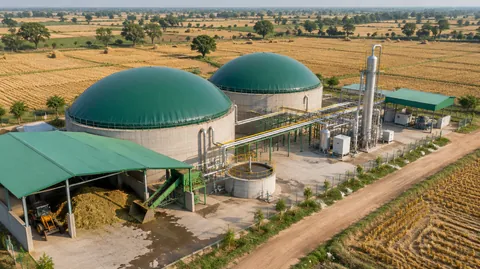
Featured · Guide
CBG plant biogas yield: how to get more gas from the same feed
India's CBG programme has turned biogas from a village technology into an industry. SATAT, launched in 2018, set out to build 5,000 compressed biogas plants, and new plants are being commissioned on paddy straw, press mud, dung and food waste. After commissioning, most owners face the same question: why is the plant making less gas than the design said, and what can be done without a new digester? This page sets out the usual causes, the checks that find them, and what the research says about nanobubble water.
Reviewed 19 Nov 2026
Read the guide →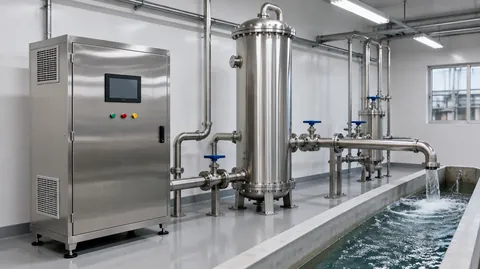
Featured · Guide
Ozone water treatment: how it works, where it fits, what to watch
Ozone is oxygen with a third atom, and that third atom makes it one of the strongest oxidants used on water. It kills bacteria and viruses, breaks down colour and odour, and turns dissolved iron and manganese into particles a filter can catch. It also disappears quickly, which is both its main advantage and its main limit. This page explains how ozone treatment works, where it fits better than chlorine, what to watch for, and why the size of the bubble carrying it matters.
Reviewed 19 Nov 2026
Read the guide →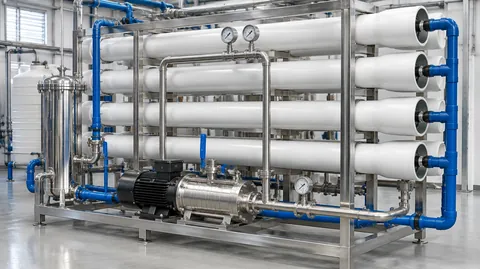
Featured · Guide
RO membrane fouling: causes, cleaning and prevention
An RO plant rarely fails at once. Permeate flow slips a few percent, the pressure drop creeps up, the pumps work harder, and cleaning comes round sooner each time. By the time output has clearly fallen, the membranes may be past full recovery. This page explains the four kinds of fouling, the readings that tell you when to clean, how pretreatment protects the membranes, and what research shows micro-nanobubbles can add.
Reviewed 19 Nov 2026
Read the guide →
Tell us about your water body or plant
We agree targets after a water assessment, then run a pilot before any scale-up.