
Dairy ETPs: load swings, fat and odour
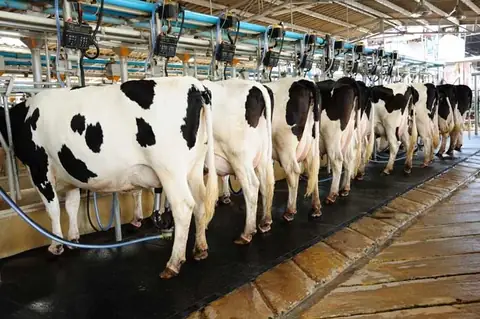
A dairy ETP rarely sees the same effluent two hours running. Milk, cream, whey and cleaning chemicals arrive in waves as products change and lines are cleaned. The biological stage has to absorb those waves, and it is often short of oxygen at exactly the wrong moment. This page explains why, and where nanobubbles help.
Can nanobubbles help a dairy ETP?
Yes, where oxygen limits treatment. Dairy effluent swings with production and cleaning, and its fats and sugars make the biological stage demand more oxygen at peaks. Oxygen nanobubbles raise dissolved oxygen without new tanks and stop equalisation from turning sour. Fat removal ahead of biology is still needed.
For the general picture, see our guide to nanobubbles for ETP.
What makes dairy effluent hard to treat
The volume and character of dairy wastewater depend largely on the products a plant makes. [S1] A liquid-milk plant, a cheese plant and a powder plant produce very different effluent. Dairy wastewater is high in COD, BOD and nutrients. [S2]
Three things make it difficult:
- Swings. Load rises sharply with cleaning cycles, product changeovers and milk or whey spills.
- Fat. Fats encourage foaming and filamentous growth in aerobic tanks.
- Souring. Dairy equalisation tanks turn sour quickly, which brings odour and a low pH into the biological stage.
How dairy ETPs are usually built
Dairies use aerobic, anaerobic and consecutive anaerobic-aerobic systems. Activated sludge on dairy effluent can suffer foaming and large biomass production, and anaerobic treatment usually needs an aerobic step after it. So most dairy ETPs, whatever their layout, end in an aerobic stage, and that is where oxygen matters.
Where nanobubbles fit in a dairy ETP
| ETP stage | What goes wrong | What nanobubbles can do | Gas |
|---|---|---|---|
| Fat trap or flotation | Fat carried forward | Nothing directly; fat removal stays essential | None |
| Equalisation tank | Sours and smells; pH drops | Keep the tank aerobic so it does not sour | Air or oxygen |
| Anaerobic stage, where a dairy has one | Runs without oxygen by design | Leave it alone; oxygen would inhibit it | None |
| Aerobic stage | Dissolved oxygen dips during cleaning and changeovers; foaming, bulking | Raise dissolved oxygen without new tanks | Oxygen |
| Treated water tank | Odour in storage | Keep stored water fresh | Oxygen |
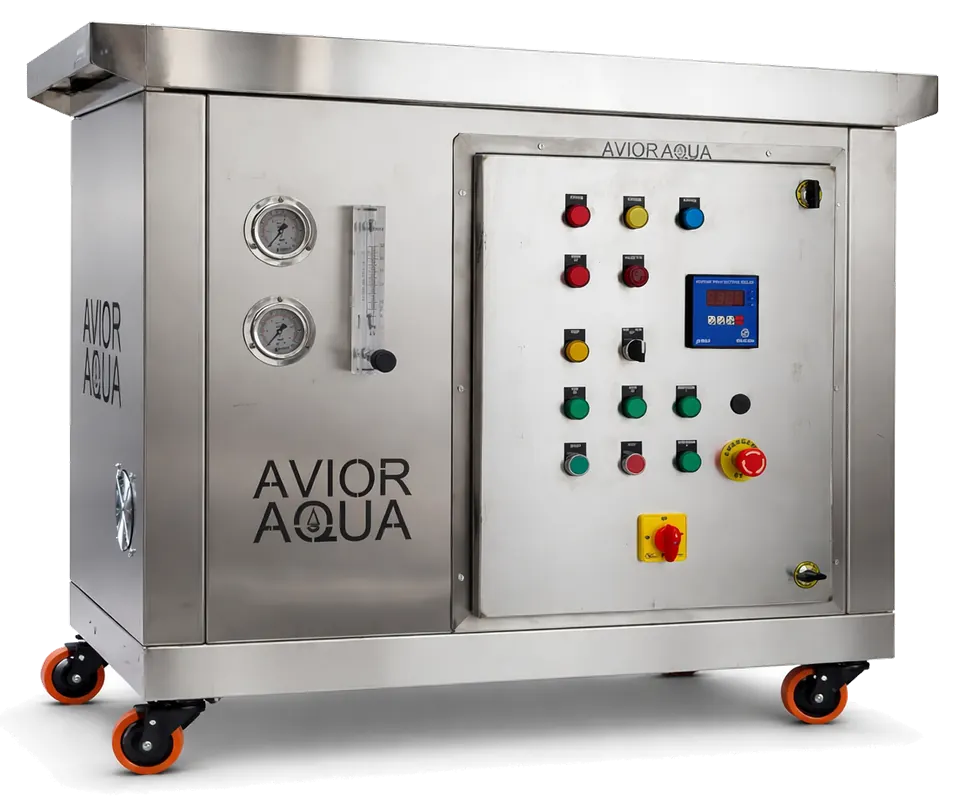
Nothing is built inside the tanks: a side-stream unit draws and returns water, as our ETP and STP upgrade guide explains.
Foam, bulking and oxygen
Foam and poorly settling sludge are the two complaints dairy operators raise most. Both are tied to fats and filamentous bacteria, and filaments do well when dissolved oxygen is low.
In a lab study using the same air supply, nanobubble reactors had fewer filamentous bacteria and more compact sludge than coarse-bubble reactors, and removed about 10% more soluble COD. [S3] That was lab scale, but it points the same way as operating experience: keep oxygen up through the peaks, and the biology stays healthier.
What nanobubbles cannot do here
- Remove fat. A fat trap or flotation unit must still take it out.
- Absorb a large whey spill. Whey belongs in product recovery, not in the drain; a spill overloads any ETP.
- Remove dissolved salts from cleaning chemicals, or fix hydraulic overload.
What the evidence shows
Beyond the lab studies above, higher oxygen in sludge flocs is linked to less excess sludge. [S4] Our nearest plant result is from a non-dairy ETP, whose operator reported less sludge and lower running costs in the first full month with generators fitted. That case study is here.
Dairy-specific figures from our own sites will follow on this page once published.
When does a dairy ETP need more oxygen?
When dissolved oxygen in the aerobic tank falls during cleaning cycles or product changeovers and outlet COD rises after them, the stage needs more oxygen. Logging dissolved oxygen against your cleaning schedule for a few days shows it clearly. If oxygen stays up and COD is still high, look at fat removal and spills first.
Also share:
- your products;
- your daily flow;
- inlet and outlet COD;
- any foaming history;
- your consent limits.
Dairy ETP: FAQ
Will nanobubbles stop foaming in our aeration tank?
They may reduce it where foam comes from filaments that thrive at low oxygen. Foam from fat carried over from a struggling fat trap needs that unit fixed first.
Why does our equalisation tank smell sour?
Dairy effluent sours quickly when held without oxygen. Keeping the tank aerobic removes the conditions that produce the smell.
Can treated dairy effluent be reused?
For some uses, after further treatment. Nanobubbles improve the biological stage that reuse depends on, but they do not remove dissolved salts.
Related
Sources (4)
- Slavov (2017). Dairy Wastewaters: General Characteristics and Treatment Possibilities, a Review. Food Technology and Biotechnology 55(1). doi.org
- Smetana and Grosser (2024). The Application of an Upflow Anaerobic Sludge Blanket Reactor in the Treatment of Brewery and Dairy Wastewater: A Critical Review. Energies 17(6), 1504. doi.org
- Yaparatne, S. et al. (2022). Effect of air nanobubbles on oxygen transfer, oxygen uptake, and diversity of aerobic microbial consortium in activated sludge reactors. Bioresource Technology 351, 127090. doi.org
- Abbasi, Dullstein and Räbiger (2000). Minimization of excess sludge production by increase of oxygen concentration in activated sludge flocs; experimental and theoretical approach. Water Research 34, 139-146. doi.org
Running a dairy ETP?
Tell us your daily flow, your products and when dissolved oxygen dips. We reply within one working day.
Not sure whether nanobubbles fit your ETP?
Send your flow sheet and recent lab results. An engineer will tell you which stage we would look at first, and whether a test is worth running.