
Nanobubble irrigation for turf and stadiums
Treating irrigation water for sports turf. One 33-day pilot at Wankhede Stadium, Mumbai, with before-and-after water tests.
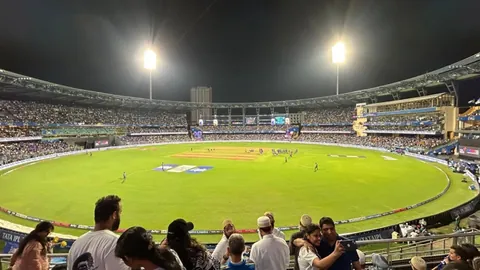
The turf water problem
Stadium turf is only as good as its water. Hard, high-TDS or acidic water, ammonia and low oxygen in the root zone cause patchy grass, uneven moisture and slow recovery. Grounds teams often respond with more water and more treatment.
A nanobubble generator treats the irrigation water before it reaches the ground. Oxygen nanobubbles raise oxygen in the water that reaches the roots and change the water chemistry, as the pilot data shows.
This is a narrower claim than "better turf". We can show what happened to the water. What happened to the grass, we know only from the people who look after it, and we say so on this page.
Wankhede Stadium: the data
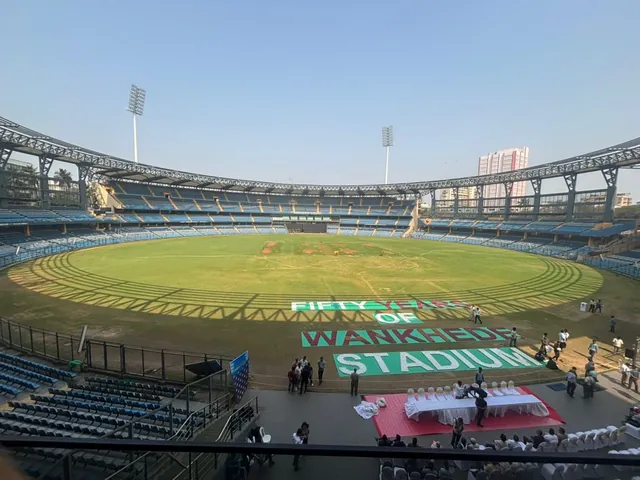
The Mumbai Cricket Association ran a 33-day pilot from 8 May 2025 with a NanOxy treating tanker-supplied irrigation water. Over the pilot, TDS fell from 750 to 550 mg/L, pH moved from 6.09 to 7.50, turbidity fell from 5 to 3 NTU and ammonia from 1.5 to below 0.5 mg/L.
What the ground team saw
The grounds team reported greener, denser turf, better moisture retention in the central pitch zone and less dew during evening matches. These are observations, not measurements. We did not record turf or soil data, so we do not attach a number to them.
Where the nanobubble generator sits
The unit treats water before it reaches the sprinklers. It is installed as a side-stream on the tank or sump that feeds the irrigation line: water is drawn off, dosed with oxygen nanobubbles and returned, so the irrigation system itself does not change. At Wankhede the supply was tanker water, so treatment happened at the storage point.
What to test before and after
Water chemistry is the easy part. The pilot at Wankhede recorded it well. The turf outcomes are harder, and in the stadium pilot we did not record them. If you run a pilot, we suggest recording:
- Water: TDS, conductivity, pH, hardness, ammonia, turbidity and dissolved oxygen, before treatment and at the sprinkler.
- Soil: moisture at fixed depths, and compaction in the central pitch zone.
- Turf: density, colour scores by a consistent method, root depth, and days to recover a damaged patch.
- Use: irrigation volume and frequency, so a water-saving claim can be tested.
What we would tell a grounds manager
If your turf problem is caused by poor-quality supply water, treating that water is a reasonable first step and a pilot is cheap to run. If the problem is drainage, compaction, shade or disease, the nanobubble generator will not fix it. We would rather say so at the start of a conversation than at the end of a pilot.
Golf courses and landscapes
The same treatment suits golf courses, polo grounds, training pitches and ornamental landscapes. The unit sits on the tank or sump that feeds your irrigation line, so fairways, greens and planting beds all receive treated water without any change to the sprinkler system. Willingdon Golf Club is among the grounds we work with.
Turf FAQ
Is nanobubble treatment for drinking water?
No. The Wankhede pilot treated irrigation water for turf. We do not present it as a potable-water treatment.
What did the stadium pilot measure?
TDS, pH, turbidity, hardness, ammonia and reactive silica in the irrigation water, before and after a 33-day pilot. The case study has the full table.
Did it save water?
The pilot did not measure irrigation volume, so we make no water-saving claim.
Are the turf observations measured?
No. Greener turf, better moisture retention and less dew are the ground team's observations, not measurements.
Which nanobubble generator did you use?
A NanOxy, an oxygen-fed unit. See the specifications.
Can it work on golf courses or training grounds?
Yes. The nanobubble generator treats the irrigation water, so the principle is the same on any ground. We start from your water test.
What should I send you before a pilot?
A recent water test if you have one, where the water comes from (borewell, municipal supply or tanker), the size of the area, how it is irrigated, and the turf problem you see. We use that to say whether a pilot is worth running and what to measure, and we reply within two working days.
How long should a turf pilot run?
The Wankhede pilot ran 33 days. Water chemistry responds in that time, but turf and soil changes take longer to show, so we would plan a full season of records if turf performance is the goal.
Does it replace fertiliser or chemical treatment?
We have not tested that. The Wankhede pilot treated the water only, and we make no claim about chemical or fertiliser use.
Managing turf water?
Send us a water test and the problem you see. We will say whether a pilot is worth it.