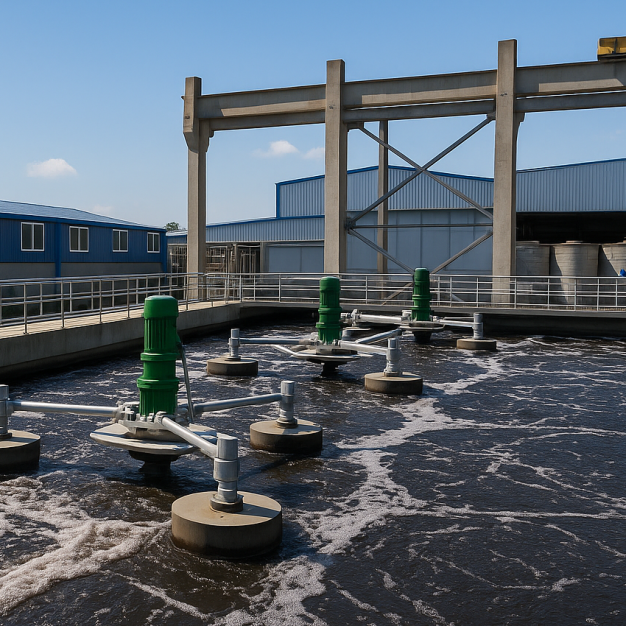
Wastewater Treatment with Nanobubble Technology
Avior Aqua’s nanobubble technology enhances wastewater treatment by improving dissolved oxygen, reducing COD and BOD, and boosting biological efficiency in STPs and ETPs. It ensures faster degradation, odor control, and compliance with discharge norms—sustainably and efficiently.

Benefits for Industries and Municipal Plants
Prevent
- Anaerobic conditions
- Sludge accumulation
- Foul odor release
Remove
- Ammonia and H₂S gases
- Organic pollutants
- Chemical residues
Decrease
- COD and BOD levels
- Power consumption
- Sludge handling cost
Improve
- Biological treatment rate
- Effluent clarity
- Compliance efficiency
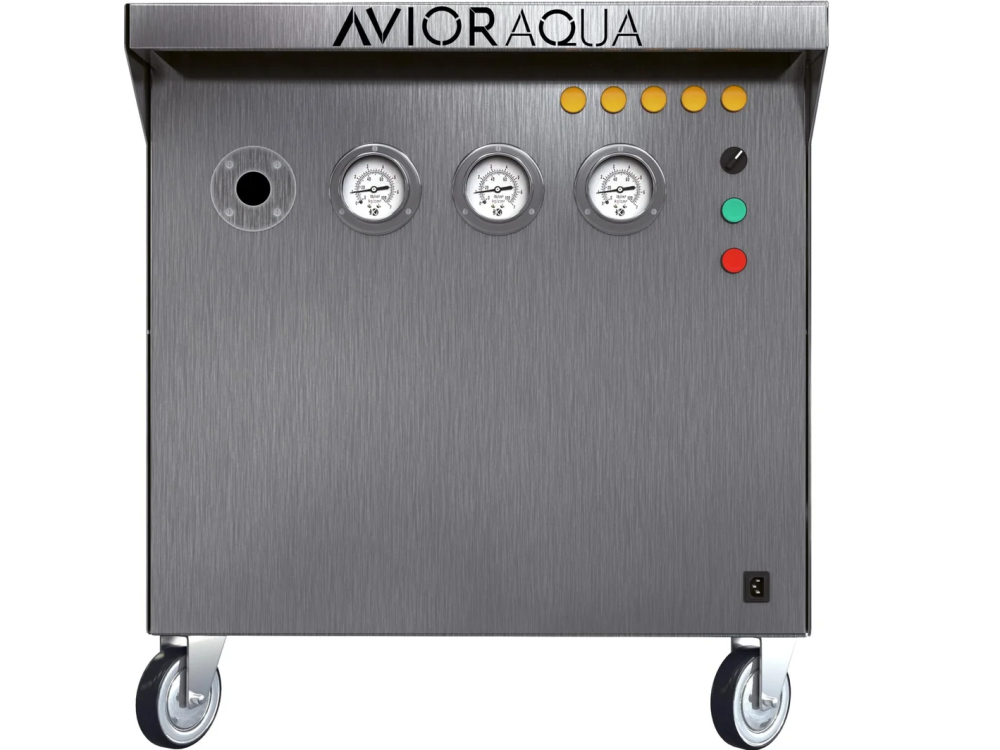
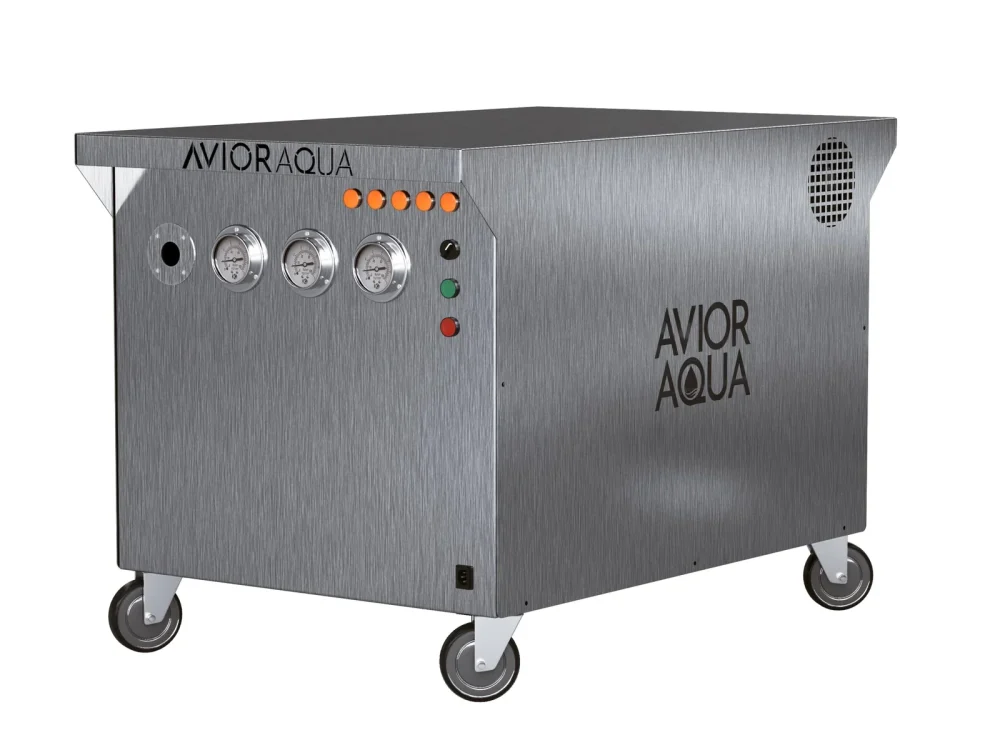
Avior Nanoxy Smart Aeration
Performance Highlights
Faster biological oxidation rate
Reduction in COD and BOD levels
Lower energy and aeration cost
Less sludge
generation
Stable oxygenation for continuous treatment
Why Operators Trust Avior Aqua


Frequently Asked Questions
It enhances oxygen transfer, accelerates microbial degradation, and reduces sludge buildup for faster and more efficient treatment.
Yes, it can integrate with or replace diffusers and blowers in existing tanks to improve DO levels and process efficiency.
Nanobubble aeration can reduce power consumption by up to 30–40% compared to conventional systems.
Yes. Higher oxygen and oxidation levels naturally reduce the need for chemical dosing and flocculants.
Absolutely. It works across sewage, industrial, and mixed wastewater treatment systems.
Yes, Avior Aqua technology aligns with Jal Shakti, AMRUT 2.0, and Smart City guidelines for sustainable lake rejuvenation.
Visible improvements in clarity and odor reduction appear within the first week of operation.
Yes, it consumes up to 50% less power than mechanical aeration while maintaining consistent oxygenation.
Minimal—units are self-cleaning and require only routine visual checks.
Yes, multiple nanobubble units can be networked together and monitored via IoT for large-scale rejuvenation projects.
Mumbai

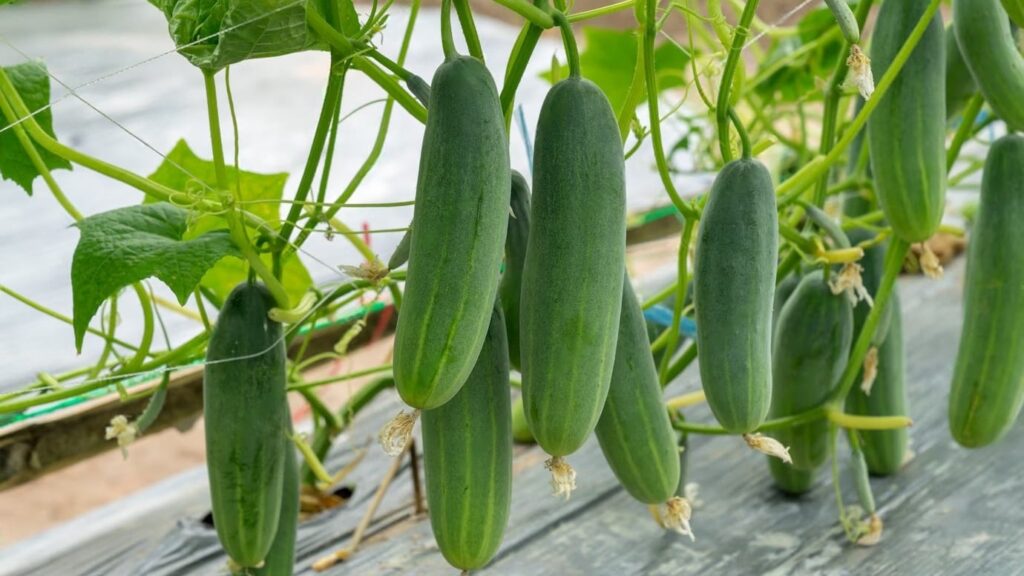
Cucumber Greenhouse
Avior Aqua is a leading greenhouse operator in the UAE. The following were the trial’s goals: