

Case Study
Mira Bhayandar Lake Rejuvenation
Restoring waterbody ecosystem health through nanobubbles
Summary
Mandali Lake is located in in the heart of Mira-Bhayandar, had deteriorated into a stagnant, odorous,
and algae-infested pond. With high BOD, COD, and microbial contamination, the lake posed an
ecological hazard. Avior Life Sciences was granted a 90-day pilot opportunity to apply its Nanobubble
Technology—a cutting-edge, chemical-free water treatment method designed to restore aquatic
ecosystems.
Location
Nagar Bhavan Lake, Mira Bhayandar, Maharashtra
Client
Mira Bhayandar Municipal Corporation, Maharashtra.
Type of Case Study
Lake Water
Body
Start Date
01st February
2025
End Date
30th April
2025
Problem
Nagar Bhawan Lake suffered from:
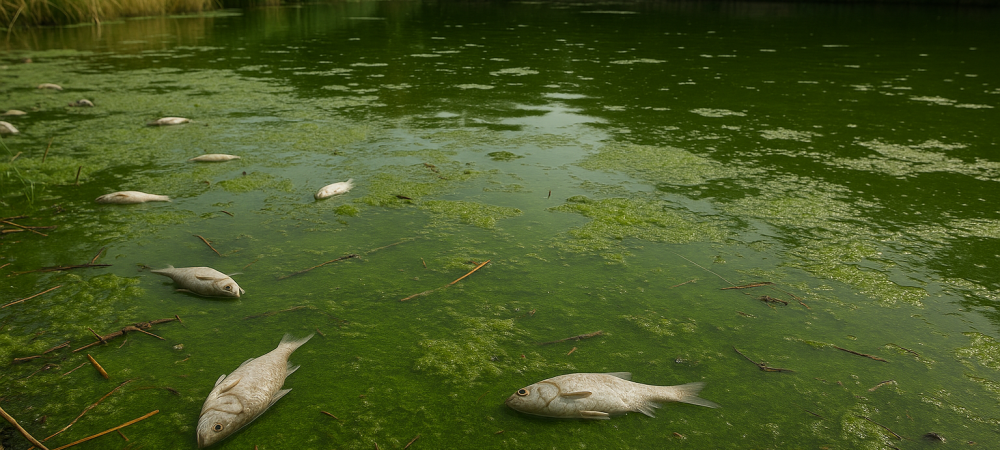
→ Excessive Algal Blooms (30-40% surface coverage).
→High COD & BOD levels indicating organic pollution.
→ Anaerobic Conditions with DO < 2 mg/L.
→ Frequent Fish Mortality.
→ Fecal Coliform and E. coli Presence.
→ Odor and Aesthetic Decline.
SOLUTION IMPLEMENTED
On 1st of February 2025, A nanobubble generator was installed in Nagar Bhawan Lake to enhance
oxygen levels and disrupt algal blooms. The system was set up in a single day, with minimal
infrastructure requirement.
| Sr. No. | Site Deployment | Implementation |
|---|---|---|
|
1 |
Avior Aqua Nano Bubble
Generators (Nanoxy 10
and Nanozon 50) |
Continuous operation of Nanoxy and Nanozon generators to
enhance dissolved oxygen (DO) levels, target microbial
pathogens, and effectively reduce biochemical oxygen
demand (BOD) and chemical oxygen demand (COD). |
|
2 |
Probiotics |
Weekly application of probiotics to support bioremediation
efforts and expedite algae removal, contributing to improved
water quality |
|
3 |
Manual Skimming |
Deployment of dedicated manpower for the manual removal
of debris and floating waste, ensuring cleaner surface water
and preventing further contamination. |
|
4 |
Periodic Water Testing |
Regular laboratory assessments conducted to monitor key
water quality parameters and ensure the efficiency of
implemented measures. |
Result
The pilot project using nanobubble technology led to a 200% rise in dissolved oxygen, over
60% reduction in BOD, COD, and suspended solids, elimination of fish mortality, and
significant decline in algae and foul odor. Water clarity improved, and E. coli levels dropped
to safe limits, restoring lake ecology.
| Parameter | Day 1 | Day 30 | Day 60 | Remarks |
|---|---|---|---|---|
|
Dissolved Oxygen (DO)
(mg/L) |
4 mg/L |
8 mg/L |
8 mg/L |
Significant improvement,
supporting aquatic life |
|
Biochemical Oxygen
Demand (BOD) (mg/L) |
17.5 mg/L |
7.67 mg/L |
6.2 mg/L |
Reduction indicates lower
organic pollution & better water quality |
|
Chemical Oxygen
Demand (COD) (mg/L) |
33.06 mg/L |
16.94 mg/L |
8.37 mg/L |
Progressive decrease,
indicating effective
treatment |
|
Total Suspended Solids
(TSS) (mg/L) |
38 mg/L |
33 mg/L |
18 mg/L |
Reduced due to
nanobubble treatment and sedimentation |
|
Foul Odor |
Strong,
noticeable |
Reduced
significantly |
Almost
eliminated |
Indicates better organic
matter breakdown |
|
Fish Mortality |
High, frequent death |
No new fish
death after Day 1 |
Sustained
fish population growth |
Healthier aquatic
ecosystem |
|
Turbidity (NTU) |
12 NTU |
12 NTU |
9 NTU |
Water clarity improved
over time |
Before
After
Visual Impact
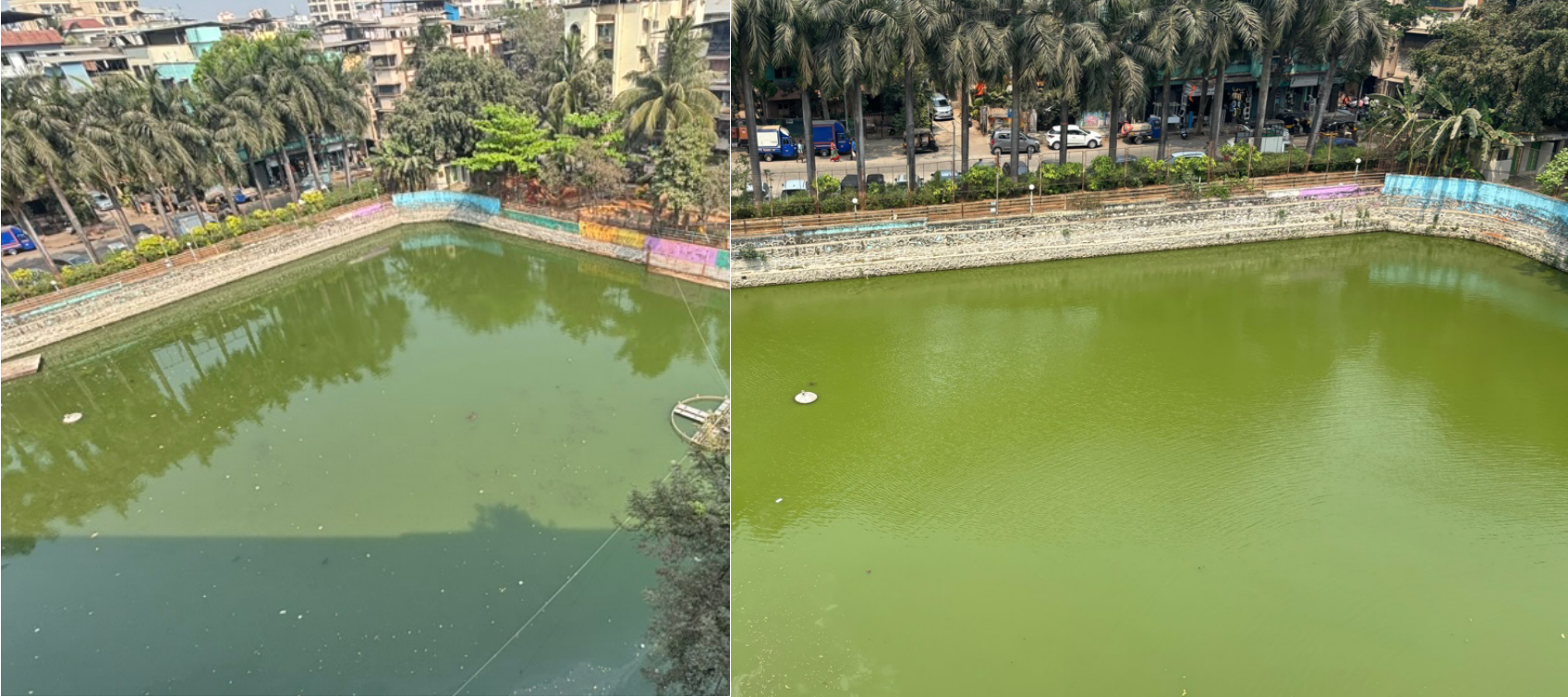
Before Treatment: Murky water, dense algae, dead fish, and foul odor.
After 60 Days: Clear water, visible lakebed, fish activity, return of migratory birds.
After 60 Days: Clear water, visible lakebed, fish activity, return of migratory birds.
Conclusion
In just two months, the lake showed substantial recovery. Dissolved oxygen (DO) levels doubled, foul
odors dissipated, algal blooms subsided, and aquatic life began to thrive. This case study presents the challenges, methodology, results, and policy implications of the pilot, making a strong case for
statewide scale-up.
